Integrating Smart Building Systems: Automated Climate Control via Smart Blinds
October 25, 2026
No Comments
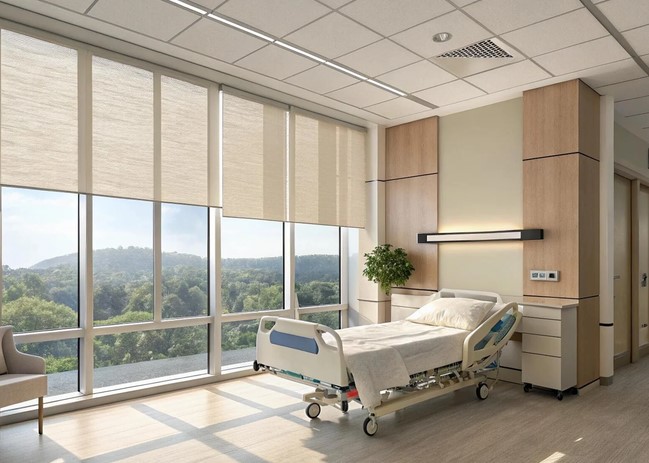
Source:https://velablinds.com
It is 3:00 PM on a scorching July afternoon. Your central air conditioner is roaring at maximum capacity, vibrating through the floorboards as it desperately tries to maintain a comfortable 72°F inside. Yet, if you walk over to your south-facing living room windows, you can feel an invisible wall of heat radiating off the glass—a relentless thermal assault forcing your utility meter to spin like a casino slot machine.
Over my ten-plus years as a home improvement specialist auditing residential energy efficiency, I have seen this exact HVAC battle play out in hundreds of homes. Homeowners consistently spend tens of thousands of dollars upgrading to high-SEER heat pumps or adding attic insulation, yet they leave their massive glass openings completely unmanaged.
Windows represent the single greatest thermal weak point in your home’s exterior shell. Treating your window coverings as simple aesthetic fabric panels—rather than active climate control devices—is a missed opportunity. Integrating motorized smart blinds into your home ecosystem bridges the gap between passive architecture and active energy management, turning glass walls from energy drains into dynamic thermal barriers.
The Physics of Solar Heat Gain: Why Windows Overwhelm Your HVAC
Think of your home’s thermal envelope as a thermal thermos. High-performance insulated walls and roof decking keep desired indoor temperatures stable, but standard double-pane windows act like thermal magnifying glasses.
When direct sunlight strikes an untreated glass pane, shortwave solar radiation passes directly through the glazing. Once inside, this energy strikes your hardwood floors, furniture, and drywall, absorbing into those surfaces and re-radiating as longwave infrared heat.
[ Shortwave Solar Rays ] ➔ [ Window Glazing ] ➔ [ Indoor Surfaces ]
                                                        │
                                                        ▼
[ Trapped Heat Energy ] ◄── [ Longwave Radiation ] ◄────┘
This phenomenon—known as solar heat gain—traps heat inside your living space, creating a greenhouse effect. Without automated intervention, your thermostat senses this sudden temperature spike and triggers the air conditioner to run continuous, energy-intensive cooling cycles.
-
Solar Heat Gain Coefficient (SHGC): A rating that measures how effectively a window assembly blocks heat caused by sunlight. Lower numbers mean less solar heat enters your living space.
-
Convective Loop Generation: Cold winter air cascading down glass surfaces creates uncomfortable indoor downdrafts, while summer sun creates rising thermal plumes.
-
Thermal Bridging: Standard aluminum window frames conduct exterior temperatures straight through your wall structure, bypassing ambient insulation entirely.
How Smart Blinds Transform Glazing into an Active Climate Shield
Adding automated smart blinds to your home automation array allows your window treatments to respond dynamically to micro-climate changes inside and outside your house.
Unlike static manual shades that rely on human memory, motorized shading systems utilize real-time environmental data to adjust their position automatically. When light sensors detect harsh direct sunlight or internal room sensors spot a temperature rise, the system drops the shades to block solar radiation before it ever enters your room.
[ Lux / Solar Sensor ] ──┐
                         ├──► [ Smart Home Hub ] ──► [ Smart Blinds Adjust ] ──► [ Reduced HVAC Load ]
[ Temp Sensor Trigger ] ──┘
By deploying smart blinds during peak solar radiation hours, you can reduce solar heat gain by up to 78%. This thermal blocking action lowers cooling loads enough to trim summer utility costs by 12% to 15% annually without sacrificing interior comfort.
Protocol Ecosystems: Choosing the Right Engine for Your Windows
Selecting the correct wireless communication protocol is critical to building a rock-solid automated shading network. Your choice dictates response latency, battery longevity, and how seamlessly your shades talk to your thermostat.
-
Matter over Thread: The modern gold standard for smart home hardware. Thread creates an ultra-low power, self-healing mesh network that responds instantly and operates locally without depending on an active internet connection.
-
Zigbee and Z-Wave: Proven, highly stable mesh protocols ideal for large properties. They offload device traffic from your main Wi-Fi router and easily handle long distances across multiple floors.
-
Direct Wi-Fi: Simple for single-window retrofits, but power-hungry. Battery-powered Wi-Fi motors require frequent recharging, and large arrays of shades can quickly overcrowd home wireless networks.
Designing an Automated Climate Strategy: Step-by-Step Setup
Maximizing thermal efficiency requires more than setting a basic timer on your phone. You need a structured, sensor-driven automation strategy tailored to your home’s geographic orientation.
-
Map Solar Exposure by Elevation: Group your window shades into distinct control zones based on cardinal directions. East-facing shades should lower early in the morning, south-facing windows need coverage through midday, and west-facing shades must drop during late afternoon hours.
-
Integrate Lux and Solar Irradiance Sensors: Move beyond simple time schedules by mounting wireless light sensors on your window sills. This allows your system to stay open on cloudy afternoons to maximize natural daylight harvesting, closing only when direct sun crosses your light threshold.
-
Configure Dual-Mode HVAC Logic: Program your smart thermostat and window motors to work in tandem. During summer, shades lower when cooling activates; during winter, shades open fully on sunlit windows to generate free solar heating before closing at sunset to insulate against night chills.
Pro Tips and Hidden Pitfalls from a Decade in the Field
After overseeing hundreds of automated retrofit projects and smart home integrations, I have identified key practical details that separate smooth installations from frustrating failures.
Pro Tip: The Daylight Harvesting ThresholdNever program your shades to drop 100% flat during daylight hours unless a room is unoccupied. Program your smart home hub to set horizontal louvers or translucent cellular shades to a 45-degree angle. This redirects harsh solar radiation up toward the ceiling while maintaining ambient interior lighting, preventing family members from turning on overhead electric lights and wasting power.
Hidden Warning: Heavy Fabric Torque and Battery DegradationWhen selecting motor torque ratings, always calculate the total fabric weight of your shades. Installing underpowered motors on heavy blackout fabrics causes motors to strain, leading to severe battery drain and premature gear failure within 18 months. For extra-large window openings exceeding six feet across, skip battery packs entirely and run hardwired 24V DC low-voltage power directly behind your window trim.
Elevate Your Home Efficiency Today
Transforming your home into an energy-efficient sanctuary is not just about installing bigger appliances; it is about managing environmental energy with precision. Integrating intelligent smart blinds into your climate control strategy turns static windows into responsive thermal shields that work automatically behind the scenes.
How are you currently managing solar heat gain and climate control in your home space? Have you experimented with automated shading scenes, or are you still adjusting manual blinds throughout the day? Share your current setup or drop your technical questions in the comments below—let’s optimize your home’s thermal performance together!