Durable Horticultural Logistics: Engineering Reliability with the Watering Can Metal
November 25, 2026
No Comments
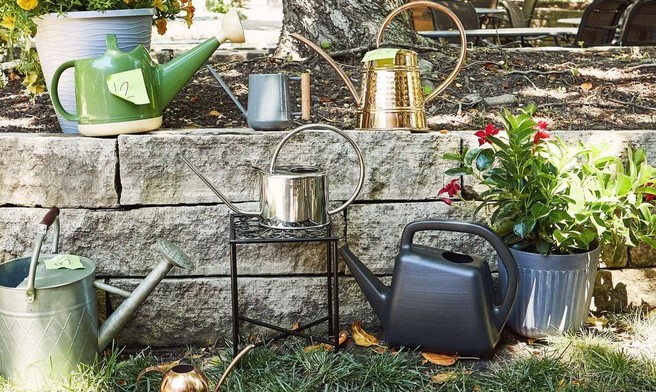
Source:https://ikrorwxhqlrrli5q.ldycdn.com
You lift your trusty green plastic watering container to nourish a delicate bed of heirloom seedlings, only to watch the sun-bleached handle snap cleanly in half, dumping two gallons of water across your boots and crushing your delicate flora. Or perhaps you’ve left a cheap plastic jug out over one summer season, only to watch it turn brittle, crack under ultraviolet exposure, and leach synthetic microplastics directly into your organic soil beds.
In my 10+ years managing estate landscapes, designing greenhouse irrigation systems, and building custom outdoor living spaces, I’ve seen homeowners burn through dozens of flimsy plastic containers. We spend hundreds of dollars sourcing nutrient-rich organic compost, heirloom seeds, and pristine pottery, yet we relegate our most frequent daily task—hydration delivery—to temporary, disposable tools.
If you want to achieve balanced soil moisture distribution, eliminate annual equipment replacements, and bring timeless utility back to your garden maintenance routine, upgrading to a commercial-grade watering can metal vessel is an essential move. Let’s break down the material engineering, ergonomics, and fluid dynamics behind these indestructible horticultural tools.
The Physics of Fluid Logistics: Why Metal Beats Plastic Every Single Time
Many beginner gardeners assume a watering vessel is simply a hollow container designed to move water from a spigot to a plant. However, effective fluid dynamics require structural rigidity, weight distribution balance, and complete environmental resistance.
Think of cheap plastic vessels like driving a car with a soft, flexible rubber chassis—every time you accelerate or turn, the frame bends, ruining steering precision. A premium watering can metal construction, by contrast, acts like a reinforced steel frame. It maintains absolute volumetric geometry under full fluid loads, allowing your hand movements to translate directly into precise, measured water streams.
UV Degradation and Material Integrity
The fundamental flaw of synthetic polymers in horticultural settings is UV degradation:
-
Photodegradation: Solar radiation breaks down the chemical bonds in plastic polymers, causing micro-cracks, brittleness, and eventual structural collapse.
-
Thermal Expansion Insults: Hot summer afternoon temperatures cause plastic walls to warp, loosening press-fit shower heads and creating annoying drips.
-
Indestructible Metal Metallurgy: A hot-dip galvanized steel or copper watering can metal body completely resists solar breakdown, remaining structural intact through decades of direct heat, freezing winters, and heavy impact drops.
Metallurgy 101: Selecting the Ultimate Metal Alloy
Not all metal vessels are forged equally. Choosing the right alloy determines corrosion resistance, total working weight, and aesthetic patina evolution over time.
| Metal Type | Corrosion Protection | Weight Ratio | Expected Lifespan | Ideal Application |
| Hot-Dip Galvanized Steel | Maximum (Molten zinc alloy shield) | Moderate to Heavy | 20–50+ Years | Heavy outdoor gardens, raised beds, nursery duty |
| Solid Copper | High (Natural oxide patina layer) | Moderate | Lifetime+ | High-end greenhouses, indoor collection care |
| Powder-Coated Zinc/Steel | High (Dual-barrier polymer shell) | Light to Moderate | 10–25 Years | Decorative gardens, outdoor patio planter boxes |
| Raw Stainless Steel | Maximum (Chromium oxide passive layer) | Moderate | Lifetime | Universal indoor/outdoor usage |
Fluid Dynamic Precision: Rose Heads and Pressure Head Dynamics
The true engineering soul of a high-performance watering can metal system lies in two mechanical features: the rose head design and hydrostatic head height.
1. The Fine-Spray Rose Head
A precision-engineered brass rose head features dozens of microscopic, laser-drilled orifices angled outward in a gentle dome pattern. This converts a harsh, soil-washing stream into a soft, rain-like mist that saturates seedling roots without washing away topsoil, exposing fragile root balls, or disturbing delicate mycorrhizal fungi networks.
2. Hydrostatic Pressure Head
Long, curved spouts on high-end metal vessels leverage fluid height differentials. As you tilt the vessel, the long spout maintains steady water pressure at the nozzle tip, preventing sudden surges or sputtering dribbles that flatten delicate foliage.
Step-by-Step Guide: Selecting and Maintaining Your Metal Vessel
Deploying a high-capacity watering can metal setup requires matching ergonomics to your body mechanics and keeping the vessel clean for optimal flow.
Step 1: Calculate Your Working Weight
One gallon of pure water weighs approximately 8.34 pounds (3.78 kg). A full 2.5-gallon metal vessel carries over 20 pounds of liquid weight alone. Choose a dual-handle metal design—featuring a sliding top grab bar and a rear pouring handle—to allow your arm to pivot smoothly using natural leverage rather than wrist strain.
Step 2: Flush and Inspect the Rose Head Thread
Before your first watering session, unscrew the brass rose head from the spout thread. Flush any manufacturing dust or debris from inside the spout, wrap a single layer of PTFE plumber’s tape around the threads, and screw the rose head back on firmly to eliminate joint drips.
Step 3: Prevent Mineral Scale Accumulation
If you irrigate with hard municipal tap water or mineral-rich well water, scale can gradually clog the microscopic rose holes.
Pro Tip: Soak your removable brass rose head overnight in a bowl of warm, distilled white vinegar once every season! The acetic acid effortlessly dissolves calcium deposits, restoring factory-grade water dispersion without damaging the metal alloy.
Hidden Field Warnings & Expert Advice
Throughout my decade managing high-value landscapes, I have observed a few recurring mistakes with metal container storage:
-
The Winter Freeze Trap: Never leave a full watering can metal vessel outdoors during freezing temperatures! Water expands by roughly 9% when freezing. The immense hydraulic expansion pressure will split soldered seams or pop out the base wall, ruining an otherwise indestructible tool.
-
Dissimilar Metal Electrolysis: Avoid dropping loose iron nails or aluminum fittings inside a copper or brass watering can. When immersed in water, contact between dissimilar metals creates a galvanic reaction that accelerates interior pitting corrosion.
Long-Term Asset Value: A Generational Investment
While a premium hot-dip galvanized or solid copper watering can metal vessel carries a higher initial price tag than a grocery store plastic alternative, its long-term return on investment is unmatched.
When you eliminate the endless cycle of replacing cracked plastic jugs every spring, a single heavy-duty metal vessel pays for itself within a few seasons—all while serving as a functional, beautiful heirloom piece that elevates the visual appeal of your garden shed or greenhouse space.
Bringing Industrial Reliability to Your Garden
Mastering horticultural logistics isn’t just about plant selection or fertilization schedules—it’s about respecting your tools and executing daily maintenance tasks with efficiency and joy. By investing in a high-grade watering can metal vessel, you equip your outdoor space with a durable, ergonomically balanced tool that delivers precise hydration for decades.
Stop dealing with brittle plastic, messy leaks, and crushed seedlings. Upgrade to time-tested metal craftsmanship, and enjoy the pure satisfaction of a perfect, rain-like pour every single day.
What’s Your Favorite Garden Tool Upgrade?
Are you still relying on basic plastic jugs, or have you made the switch to heavy-duty metal tools in your outdoor workspace? Have you encountered issues with leaking spouts or clogged rose heads? Drop a comment or question below! I would love to hear about your garden setup and help you select the perfect equipment for your space.