Critical Water Heating Logistics: High-Efficiency Performance of the Tankless Heater
November 20, 2026
No Comments
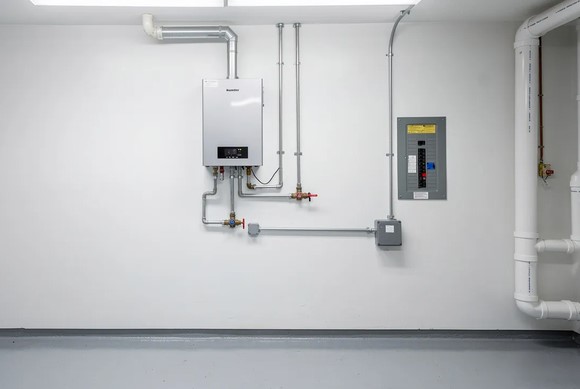
Source:https://cdn.sanity.io
Picture this: You come home after an exhausting 12-hour workday, step into the shower, and just as the hot water soothes your muscles, it turns into a bone-chilling blast of ice water because someone ran the dishwasher downstairs. Or worse, you wake up to find your 50-gallon metal water tank ruptured overnight, flooding your basement and destroying thousands of dollars worth of stored assets.
I have walked into countless homes over my 10+ years in residential remodeling and plumbing logistics to find homeowners trapped in this exact cycle. We spend substantial money constantly heating a massive steel cylinder of water 24 hours a day, 7 days a week, even while we sleep or take vacations. It is an archaic approach to thermal energy management.
If you want to eliminate hot water shortages, reclaim valuable square footage, and cut standby energy losses, upgrading to an advanced tankless heater is one of the smartest infrastructure investments you can make for your property. Let’s break down the engineering dynamics behind continuous flow water heating.
The Thermal Physics: Standby Loss vs. On-Demand Flow
Traditional storage water heaters operate like a giant soup pot sitting on a low burner around the clock. Whether you need hot water at 3:00 AM or not, the system cycles on and off continuously to maintain a set temperature, consuming gas or electricity needlessly. This waste is technically known as standby heat loss.
A modern tankless heater completely eliminates the storage vessel. Think of it like a high-speed sports car throttle—when you turn on a hot water tap, cold water flows through a ultra-compact heat exchanger, instantly triggering high-output heating elements or gas burners that rapidly elevate the water to your targeted set-point in seconds. When you close the faucet, the system shuts down completely, drawing zero standby power.
Condensing vs. Non-Condensing Efficiency
When evaluating gas-fired models, understanding internal thermal recovery is critical for long-term ROI:
-
Non-Condensing Systems: Vent high-temperature exhaust gases directly outdoors, typically achieving a Uniform Energy Factor (UEF) rating between 0.80 and 0.82.
-
Condensing Systems: Feature a secondary heat exchanger that extracts latent heat from exhaust vapor before venting, boosting efficiency up to 0.95 UEF or higher.
-
Energy Impact: A high-efficiency condensing unit converts up to 95% of the fuel energy directly into hot water, drastically cutting carbon output and utility bills.
Technical Sizing Logistics: Temperature Rise and GPM
The most common mistake beginners make when purchasing a tankless heater is buying based purely on home square footage. Tankless units must be sized based on two core technical variables: Gallons Per Minute (GPM) demand and Delta T ($\Delta T$) Temperature Rise.
Understanding Flow Rate and Temperature Delta
| Fixture Type | Average Flow Rate (GPM) |
| Low-Flow Showerhead | 1.5 – 2.0 GPM |
| Standard Kitchen Faucet | 1.5 – 2.2 GPM |
| Washing Machine / Dishwasher | 2.0 – 3.0 GPM |
| High-Flow Rain Showerhead | 2.5 – 4.0 GPM |
To calculate your required capacity, sum the GPM of all fixtures you expect to run simultaneously. Next, determine your incoming ground water temperature. If your incoming water is 50°F (10°C) and you want a 110°F (43°C) shower, your unit must deliver a 60°F Temperature Rise ($\Delta T$) at your peak calculated GPM.
Step-by-Step Guide: Evaluating System Retrofit Readiness
Upgrading from a traditional tank to a high-output tankless heater isn’t a simple drop-in swap; it requires verifying your existing mechanical infrastructure. Here is the evaluation checklist my crew runs through during field assessments.
Step 1: Verify Fuel Line Diameter or Electrical Service
Gas units require sufficient British Thermal Unit (BTU) delivery—often ranging from 150,000 to 199,000 BTUs/hr. This frequently necessitates upgrading from a standard 1/2-inch gas line to a 3/4-inch line. For electric models, verify that your breaker panel can supply 120 to 160 amps across multiple double-pole breakers.
Step 2: Establish Direct Venting Routes
Condensing gas units generate acidic condensate and cooler exhaust, requiring special PVC, CPVC, or polypropylene venting rather than standard metal B-vent chimney flues. Ensure you have a clear horizontal exterior wall path for intake and exhaust runs.
Step 3: Plan Condensate and Drain Line Management
A high-efficiency condensing unit produces acidic wastewater during operation. Route a Dedicated PVC drain line to a floor drain or sump pit, installing an in-line acidic condensate neutralizer to protect interior plumbing pipes.
Pro Tip: Never skip installing a full-port isolation valve kit during installation! Isolation valves allow you to isolate the unit from your household plumbing and flush the heat exchanger with vinegar or descaling solution without draining your entire home’s water supply.
Field Warnings & Hidden Pitfalls
Throughout my decade troubleshooting mechanical systems, I have seen several recurring issues derail new installations:
-
The Cold Water Sandwich Effect: Turning a faucet on and off quickly can trap a small pocket of unheated cold water between hot water streams. Look for advanced units with built-in mini-buffer tanks or internal recirculation pumps to eliminate temperature fluctuations.
-
Hard Water Scale Accumulation: Mineral buildup (calcium and magnesium) is the number one killer of small-diameter heat exchanger channels. If your municipal or well water hardness exceeds 7 to 10 grains per gallon (GPG), installing a water softener or dedicated anti-scale filter upstream of your tankless heater is mandatory to keep your warranty valid.
Long-Term Asset Value and Spatial Recovery
Replacing a bulky 50-gallon tank with a wall-mounted tankless heater frees up roughly 12 to 16 square feet of floor space—an absolute game-changer for tight utility closets, basement layouts, or garage workshops.
While the initial equipment and installation cost of a tankless setup is higher than a legacy tank, the extended lifespan (20+ years for tankless vs. 8–12 years for storage tanks) combined with continuous energy savings delivers an exceptional return on investment over the lifecycle of your home.
Elevating Your Home’s Thermal Infrastructure
Upgrading your home’s water heating isn’t just about avoiding cold showers—it’s about engineering an efficient, space-saving, and long-lasting mechanical core for your modern property. By understanding your flow rates, verifying fuel infrastructure, and protecting your heat exchanger with proper maintenance, a high-efficiency tankless heater provides endless hot water on demand while cutting standby costs.
Stop paying to heat water you aren’t using. Invest in precise thermal logistics, reclaim your floor space, and enjoy the pure luxury of uninterrupted performance.
What’s Your Home Water Setup?
Are you still relying on a traditional storage tank, or are you considering making the switch to a tankless setup on your next remodel? Have you faced challenges with hard water or flow rates? Drop a comment or question below! I’d love to hear about your setup and help you navigate your next plumbing upgrade.