Automated Environmental Protection: Precision Monitoring via the Smart Humidity Sensor
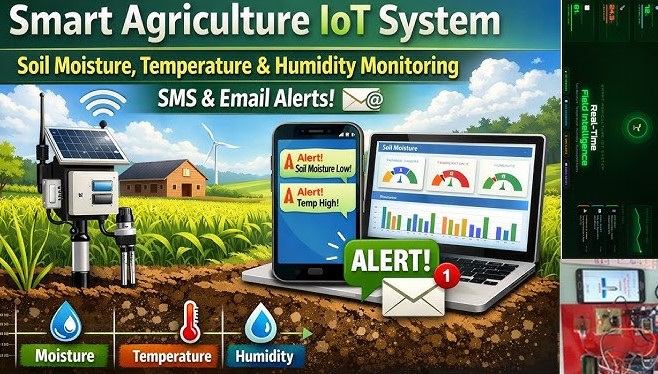
Source:https://i.ytimg.com
I’ve spent over a decade walking through homes where the air felt “heavy.” You know the feeling—that slightly sweet, musty scent in a basement or the way a wooden door suddenly refuses to latch during a humid summer week. Usually, by the time a homeowner notices these signs, the damage is already done. Mold is colonizing the drywall, or the expensive hardwood floors are beginning to “cup.” For years, we fought these battles with clunky analog hygrometers that were about as accurate as a weather vane in a hurricane.
But things have changed. The introduction of the Smart Humidity Sensor has transformed home maintenance from a reactive struggle into a proactive, automated science. It’s no longer about guessing if the air feels damp; it’s about surgical precision in environmental control.
The Silent Architect of Home Health: Understanding Humidity
Think of humidity as the “blood pressure” of your home. If it’s too high, your house suffers from a form of structural hypertension—excessive moisture leads to organic growth (mold) and material rot. If it’s too low, the house becomes brittle, leading to cracked crown molding and respiratory discomfort for you.
A Smart Humidity Sensor acts like a 24/7 medical monitor for your living space. Unlike traditional sensors, these devices don’t just display a number on a screen. They communicate. They log data. They trigger actions. In my experience, the leap from a standard thermometer to a smart environmental ecosystem is the single most effective “invisible” upgrade you can give your home.
How Precision Monitoring Works
At its core, a modern smart sensor utilizes a capacitive or resistive hygrometer element. Without getting bogged down in the physics, think of it like a tiny, high-tech sponge that measures electrical changes based on how much water vapor it absorbs.
The “smart” aspect comes from the integrated circuit (IC) and the wireless protocol (Zigbee, Z-Wave, or Wi-Fi). This allows the sensor to send real-time data to a hub or your smartphone. For a beginner, this might seem like overkill. “Why do I need an app for the air?” you might ask. The answer lies in the automation of environmental protection.
Why Your Home Needs an Integrated Smart Humidity Sensor
In the industry, we often say that “water always wins.” If you give moisture a foothold, it will eventually destroy your property. Here is why precision monitoring is your best defense:
-
Preventing Mold Growth: Mold spores generally require a relative humidity (RH) of 60% or higher to thrive. A smart sensor can alert you the moment a room hits 55%, allowing you to intervene before the first spore settles.
-
Protecting Structural Integrity: Wood is hygroscopic; it breathes. Constant swings in humidity cause wood to expand and contract, which loosens joints in furniture and creates gaps in flooring.
-
Optimizing HVAC Efficiency: Air that is properly humidified feels warmer. By maintaining a perfect balance, your heating and cooling systems don’t have to work as hard, lowering your monthly utility bills.
-
Health and Comfort: Precise monitoring helps mitigate allergy triggers and prevents the dry skin and throat irritation associated with “winter air.”
The Concept of “Micro-Climates”
One insight I’ve gained over the years is that a house is not a single environment; it’s a collection of micro-climates. Your attic, your crawlspace, and your master bathroom all have vastly different humidity profiles.
A Smart Humidity Sensor allows you to monitor these specific zones. I once worked on a project where the homeowner’s wine cellar was failing. They had a thermostat in the hall, but no visibility into the cellar. We installed a dedicated smart sensor, and within 24 hours, the data showed a spike in humidity every time the sprinkler system ran—the moisture was seeping through a foundation crack we didn’t know existed. That’s the power of data over intuition.
Setting Up Your Smart Humidity Sensor Ecosystem
If you are a beginner, don’t let the “smart” label intimidate you. The setup is usually as simple as pulling a battery tab and tapping a button on an app. However, the placement is where the expertise comes in.
Where to Place Your Sensors for Maximum Accuracy
-
Avoid “Dead Air” Zones: Don’t tuck your sensor behind a heavy curtain or inside a tight cabinet. It needs airflow to represent the room’s true state.
-
Stay Away from Heat Sources: Placing a sensor near a radiator or in direct sunlight will “cook” the air around it, giving you a falsely low humidity reading.
-
The 5-Foot Rule: Try to mount sensors at breathing height—about five feet off the ground—to get a reading that reflects the air you are actually experiencing.
Pro Tip: If you’re monitoring a bathroom, place the sensor away from the shower’s direct steam path. You want to measure the room’s overall humidity recovery after a shower, not just the temporary “cloud” created by the hot water.
Automating the Response: The True Power of Smart Tech
Monitoring is only half the battle. The “Automated” part of “Automated Environmental Protection” is where the magic happens. By using a smart home hub (like Home Assistant, SmartThings, or Apple HomeKit), you can create “If-This-Then-That” scenarios.
-
The Bathroom Dehumidifier: If the Smart Humidity Sensor in the bathroom detects >65% humidity, then turn on the smart exhaust fan. Turn it off only when the humidity drops back to 45%.
-
The Basement Savior: If the basement sensor detects a sudden spike (potential pipe leak or flooding), send a high-priority notification to all family phones.
-
The Winter Humidifier: If the bedroom sensor falls below 30% RH at night, trigger the smart plug connected to your humidifier to ensure a comfortable sleep.
Technical Considerations: Choosing the Right Protocol
When shopping for a Smart Humidity Sensor, you’ll encounter different “languages” they speak. Here is the breakdown:
In my professional opinion, Zigbee is the gold standard for these sensors. They are tiny, the batteries last forever, and they respond instantly.
Hidden Dangers: What the Numbers Don’t Tell You
While a Smart Humidity Sensor is an incredible tool, you must be aware of “Sensor Drift.” Over several years, the chemical coating on the sensor element can degrade or become contaminated by dust and oils.
I always recommend a “Salt Test” once a year. Place your sensor in a sealed bag with a bottle cap full of damp salt. After 24 hours, the humidity in the bag should be exactly 75%. If your sensor says 70%, you know you need to calibrate it or replace it.
The Future of Home Protection
We are moving toward a world where our homes “care” for themselves. A Smart Humidity Sensor is a foundational brick in that wall of protection. It’s an investment in your health, your comfort, and the longevity of your most valuable asset—your home.
Don’t wait for the musty smell or the warped floorboards. Precision monitoring isn’t just for tech enthusiasts anymore; it’s for anyone who wants to stop worrying about what they can’t see in the air.
Ready to take control of your home’s environment?
The transition to a smarter, healthier home starts with a single data point. Whether you are looking to protect an expensive guitar collection or simply want to sleep better tonight, a Smart Humidity Sensor is the best place to start.
What’s the most humid room in your house? Drop a comment below or share your experience with smart home automation—I’d love to help you dial in your settings for the perfect home climate!