Streamlining Pet Care Logistics: Optimizing Facility Flow with the Pet Bowl Station
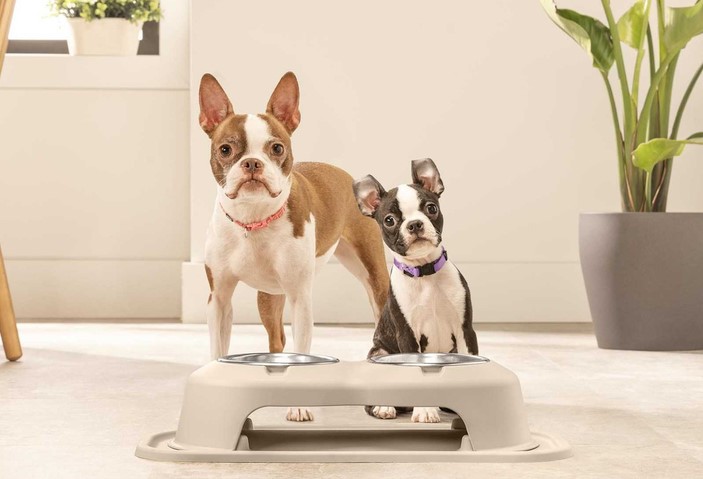
Source:https://cdn11.bigcommerce.com
Picture this: It is 7:00 AM in a bustling multi-pet household or a boutique boarding facility. You are carrying a heavy sack of premium kibble, dodging an overexcited Golden Retriever, and stepping over a scattered sea of stainless steel water bowls. In a split second, you kick a half-full water dish, sending a tidal wave across your freshly sealed hardwood floors.
In my ten years of remodeling residential spaces and professional pet facilities, I have noticed that while people spend a fortune on high-end mudrooms and custom cabinetry, they treat pet feeding areas as an afterthought. We design our kitchens around the human “work triangle,” yet pet nutrition logistics are left to chaos on the floor.
Optimizing your space with a dedicated, integrated Pet Bowl Station is not just an aesthetic upgrade. It is a fundamental exercise in spatial engineering and fluid dynamics that transforms daily pet care from a chaotic chore into a streamlined, high-efficiency workflow.
The Spatial Blueprint: Understanding Facility Flow and Foot Traffic
In the world of professional facility design, we talk a lot about “flow”—the invisible pathways that bodies, supplies, and waste take through a room. If you leave pet bowls free-floating on the floor, you are essentially placing a permanent, low-profile roadblock right in the middle of your highest-traffic zones.
Think of your home or kennel layout like a commercial airport terminal. If baggage claim (the feeding zone) overlaps directly with the main security line (your kitchen walkway), you get a bottleneck. A poorly positioned feeding area creates physical stress for both the caretaker and the animal.
The Psychology of the Feeding Zone
Pets, much like humans, experience environmental anxiety during high-value activities like eating. When a dog is forced to eat in a major thoroughfare, they tend to gulp their food rapidly or become territorial.
By engineering a fixed, recessed, or elevated feeding hub, you create a psychological boundary. The animal feels secure in their designated zone, and you reclaim unobstructed access to your walkways.
Anatomy of a High-Performance Pet Bowl Station
When I design a custom Pet Bowl Station for a client, I don’t just cut two holes in a piece of plywood. We look at it through the lens of mechanical cabinetry engineering, materials science, and ergonomics.
An optimized station must handle significant physical forces, structural moisture exposure, and frequent sanitization cycles. Here is the technical breakdown of what makes a station truly functional:
1. Ergonomic Elevation and Kinetic Loading
Feeding posture matters. For medium to large breeds, eating from ground level forces an unnatural skeletal alignment and can contribute to gastric torsion (bloat).
-
The Fix: Elevating the station to the pet’s lower-chest height reduces strain on the cervical spine.
-
The Engineering Challenge: Animals exert considerable downward kinetic force when pushing against a bowl to lick up food. The structural support—whether it is a floating cantilevered shelf or a heavy-duty drawer system—must be rated for a static load capacity of at least 50 lbs to prevent sagging over time.
2. Moisture Defense and Material Selection
Water damage is the silent killer of cabinetry. If you use standard medium-density fiberboard (MDF) or cheap laminates near a water station, the wood will absorb ambient moisture, swell, split, and eventually breed toxic mold.
-
Marine-Grade Plywood: This is my absolute go-to material. It uses waterproof glue between the wood plies, ensuring structural integrity even if a sloppy drinker splashes daily.
-
Non-Porous Solid Surfaces: For the top deck where the bowls sit, materials like quartz, stainless steel, or high-density polyethylene (HDPE) are ideal. They offer zero porosity, meaning bacteria cannot hide in microscopic cracks.
+-------------------------------------------------------+
|              Non-Porous Top Deck (Quartz/HDPE)        |
|   +-------------------+       +-------------------+   |
|   |   Food Bowl Cut   |       |   Water Bowl Cut  |   |
|   +-------------------+       +-------------------+   |
+-------------------------------------------------------+
|        Waterproof Marine-Grade Plywood Sub-Base       |
+-------------------------------------------------------+
|  Heavy-Duty Full-Extension Slides (100 lbs Load Cap)  |
+-------------------------------------------------------+
Custom Configurations: Toe-Kick Drawers vs. Built-In Alcoves
Depending on your skill level and your space constraints, there are two primary architectural approaches to integrating a Pet Bowl Station.
The Stealth Toe-Kick Drawer (Intermediate Level)
For small apartments or compact mudrooms, utilizing the dead space underneath your base cabinets—known as the toe-kick—is pure magic. Using heavy-duty, touch-to-open drawer slides, the feeding station stays completely hidden within the cabinet structure until mealtime.
-
The Mechanics: It requires ultra-low profile ball-bearing slides and a mechanism that locks the drawer in place when fully extended so it doesn’t roll backward while your pet eats.
-
The Advantage: Zero footprint when closed. Perfect for keeping walkways clear during the day.
The Dedicated Utility Alcove (Advanced/Professional)
If you are designing a dog room, laundry room, or commercial facility from scratch, a recessed wall alcove is the gold standard. This involves framing a dedicated nook directly into the wall stud bay or custom cabinetry run.
-
The Mechanics: This setup often includes a dedicated, pot-filler style water line plumbed directly above the water bowl, alongside an integrated floor drain.
-
The Advantage: No moving parts to wear out, permanent accessibility for the pet, and ultimate containment of splashes.
⚠️ The Hidden Warning: The Capillary Action Trap
When installing stainless steel bowls into a wood or stone cutout, never let the metal rim sit directly on the raw material surface. Water will inevitably seep under the rim. Through a process called capillary action, the water gets trapped in the microscopic gap between the bowl and the deck, acting like a sponge. This leads to rapid bacterial growth, foul odors, and ruined finishes. Always seal the cutout edge with a food-grade silicone gasket or a marine-grade clear sealant before dropping in the bowls.
Pro Tips for Installation and Fluid Management
Over the last decade, I have made mistakes so that you don’t have to. Here are my top three golden rules for executing a flawless installation:
-
Incorporate a Pitch: If you are building a custom top deck for your station, give it a subtle, imperceptible $1\%$ slope toward the rear or toward a central collection point. This prevents water from pooling at the front edge and spilling onto your finished floor.
-
Dampen the Vibration: Dogs can be aggressive eaters. Line the inside rim of the bowl cutouts with thin, adhesive rubber weatherstripping. This dampens the metallic rattling noise of the bowls against the station frame, providing a much quieter, premium feel.
-
Go Over-Spec on Hardware: If you are building a pull-out drawer system, do not buy standard $35\text{-lb}$ kitchen drawer slides. Go straight for industrial, full-extension ball-bearing slides rated for at least 100 lbs. The structural leverage applied when a dog leans heavily on the edge of the extended drawer can easily bend weaker rails.
Elevating Your Workflow
Streamlining your pet care logistics isn’t about being overly fussy; it’s about respecting the flow of your home and the health of your animals. By moving away from random floor bowls and investing in a well-engineered Pet Bowl Station, you eliminate trip hazards, protect your home from costly water damage, and create a highly efficient routine that saves time every single day.
Are you looking to reclaim your kitchen floors, or are you currently designing a custom pet zone in your next home renovation? Drop a comment below with your current floor plan layout, and let’s brainstorm the perfect way to integrate a high-efficiency feeding hub into your space!