Universal Bathroom Safety: Enhancing Accessibility with the Bathroom Shower Seat
September 30, 2026
No Comments
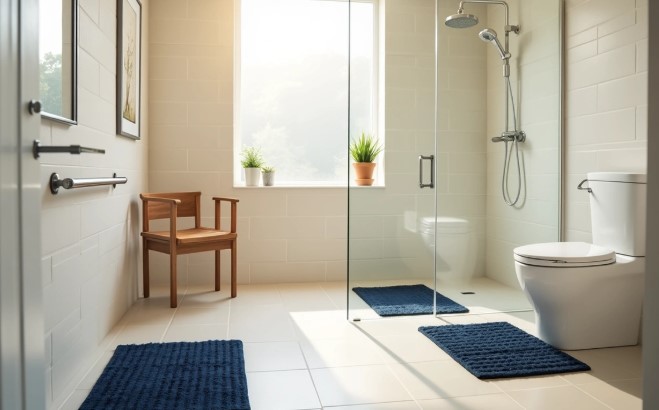
Source:https://disabilityhorizons.com
A few years ago, I received an urgent call from a client named David. His elderly mother was moving back home after a slick tile slip left her with a fractured wrist. David wanted to completely tear out his newly finished master bathroom to build a custom, thousand-dollar zero-threshold wet room. When I walked through his space, I realized he didn’t need a sledgehammer or an expensive tear-out—he just needed a smart, structural approach to accessibility.
We installed a properly anchored, wall-mounted folding bench and a handheld spray assembly. The total cost was a fraction of his initial estimate, and his mother regained her full independence within 24 hours.
In over a decade of working in residential remodeling and aging-in-place design, I’ve seen homeowners overlook one undeniable fact: the bathroom is statistically the most hazardous room in any house. Integrating a high-spec bathroom shower seat is no longer just a medical necessity for the elderly—it is a cornerstone of modern, universal design that benefits everyone from athletic adults recovering from injuries to busy parents bathing young children.
The Wet-Coefficient Crisis: Why Water and Polished Tile Demand Support
To understand why a dedicated seating surface is essential, consider the physics of your shower floor. A wet, soapy ceramic or porcelain tile surface drops the dynamic coefficient of friction (DCOF) dramatically, turning your shower footprint into the home equivalent of an icy sidewalk.
Standing on one leg to shave, bend down to reach soap, or wash feet forces your body into a single-point balance system on a slick surface.
A dedicated seating station changes this dynamic completely by creating a stable, three-point or four-point support system. By lowering your center of gravity, you eliminate the micro-slips that cause sudden falls, turning a high-risk zone into a controlled, relaxing environment.
Field Insight: In my experience auditing home safety retrofits, over 80% of bathroom slips and falls occur during vertical transitions—either stepping over a tub wall or leaning over while standing on one foot. A strategically placed seat completely removes those unstable balance points.
Technical Classifications of the Bathroom Shower Seat
When selecting accessibility equipment, one size never fits all. You need to choose a configuration that aligns with your space constraints, load requirements, and aesthetic preferences.
1. Wall-Mounted Folding Benches
These units anchor directly into wall studs or structural blocking, folding flat against the tile when not in use.
-
Best For: Compact shower enclosures and multi-generational family bathrooms.
-
Pros: Leaves maximum floor space open, sleek modern appearance, and high structural load capacities when anchored properly.
-
Cons: Requires precise wall preparation and structural backing behind the tile.
2. Free-Standing Bench Stools
Portable seats made from teak, aluminum, or high-density plastic that sit directly on the shower floor.
-
Best For: Rental properties, temporary injury recovery, or quick retrofits without construction.
-
Pros: Zero installation costs, completely mobile, and easy to replace.
-
Cons: Consumes permanent floor footprint and can slide if rubber feet wear down or gather soap scum.
3. Built-In Tile or Stone Benches
Framed directly into the shower architecture using wood or EPS foam cores, then waterproofed and tiled over.
-
Best For: Full bathroom remodels and luxury spa-inspired walk-in showers.
-
Pros: Permanent, seamless aesthetic integration, exceptionally durable, and zero maintenance.
-
Cons: Cold to the touch initially, expensive to construct, and takes up significant floor space permanently.
Comparative Matrix: Seating Specifications & Capabilities
Before buying or building, compare how popular seating configurations perform across key technical parameters:
| Seating Variant | Load Capacity (lbs) | Installation Effort | Spatial Flexibility | Primary Material Base |
| Wall-Mounted Folding Seat | 300 – 500+ | Moderate (Requires Stud Blocking) | Excellent (Folds Away) | Stainless Steel Frame & Teak/Phenolic Top |
| Free-Standing Transfer Bench | 250 – 400 | Zero (Plug-and-Play) | Moderate (Takes Floor Space) | Anodized Aluminum & Blow-Molded Plastic |
| Built-In Tiled Bench | 500+ (Structural) | High (Full Renovation Required) | Low (Fixed Architectural Element) | Framed Substrate, Waterproofing & Tile |
| Solid Teak Corner Stool | 200 – 300 | Zero (Portable) | Good (Fits Corners) | Natural Burmese/Plantation Teak Wood |
Engineering Considerations: Load-Bearing & Waterproofing Integrity
If you opt for a wall-mounted bathroom shower seat, you must treat the installation like major structural framing, not like hanging a picture frame or a towel bar.
Structural Backing Requirements
Standard drywall or cement backer board alone cannot support a dynamic human load. Wall-mounted units require at least 2×6 or 2×8 solid wood blocking secured between studs behind the wall board, or specialized structural mounting plates designed for hollow-wall masonry.
Waterproofing the Penetrations
Every screw hole made through tile or grout introduces a potential path for moisture intrusion behind your shower enclosure. Use high-grade 100% silicone sealant or specialized waterproofing gaskets inside the screw channels to prevent sub-surface rot and mold growth inside the wall cavity.
   [ Tile Surface Layer ]
            |
   [ Cement Backer Board ]
            |
   [ Silicone / Waterproof Sealant ]  <-- Crucial Barrier
            |
   [ Solid 2x8 Wood Blocking ]       <-- Handles Dynamic Load
Pro Tips & Hidden Traps: Insights from the Field
Pro Tip: Pair with a Dual-Valve Handheld Showerhead
A seating station is only half as effective if you still have to stand up to reach a fixed showerhead. Always pair a seat installation with a handheld showerhead on a slide bar. Mount the slide bar within arm’s reach (typically 38 to 48 inches from the shower floor) so the user can easily adjust water height and angle without standing.
Hidden Warning: The “Ledge Pitch” Water Trap
Warning: When installing a built-in tiled shower bench, ensure the top surface has a subtle 1/4-inch per foot slope toward the main shower drain. If the bench surface is completely flat or slopes backward toward the wall, water will pool against the tile grout lines, leading to rapid mildew development and persistent water leakage through wall joints.
Redefining Safety with Smart Universal Design
Creating an accessible bathroom isn’t about compromising on style or turning your home into a clinical facility. By integrating a high-quality, structurally sound bathroom shower seat, you elevate your home’s functionality, protect your loved ones from avoidable injuries, and ensure your space remains safe and comfortable for years to come.
How Is Your Bathroom Configured?
Are you thinking about upgrading your shower space for better accessibility, or currently planning a home remodel? What type of seating setup fits your daily routine best? Drop your questions, ideas, or space challenges in the comments below—I’d love to help you build a safer, smarter layout!