Sustainable Culinary Aesthetics: Integrating the Potted Herb Set for Freshness
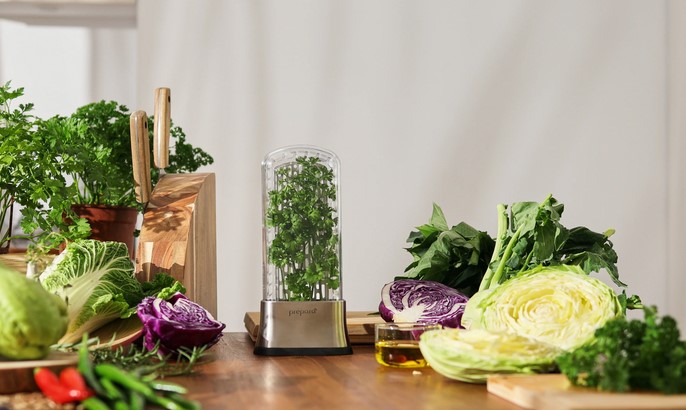
Source:https://prepara.com
We’ve all been there: you’re midway through cooking a beautiful, home-cooked Mediterranean dinner, and the recipe calls for a handful of fresh basil. You open the refrigerator, only to find a plastic clamshell containing a slimy, blackened mess that cost you five dollars just three days ago. It’s frustrating, wasteful, and instantly kills the culinary vibe.
In my ten years of remodeling kitchens and designing functional living spaces, I’ve noticed a major shift. Homeowners no longer just want sterile, ultra-modern countertops; they want spaces that feel alive, sustainable, and functional.
When clients ask me how to breathe life into a kitchen without committing to a massive renovation, my go-to recommendation isn’t an expensive tile backsplash. It’s a curated, high-quality potted herb set. Integrating living greens directly into your culinary workspace changes the entire energy of the room while upgrading your cooking game.
The Intersection of Kitchen Design and Living Greenery
From a home improvement perspective, a kitchen shouldn’t just be a place where food is processed—it should be an ecosystem. Bringing plants indoors isn’t a new concept, but treating them as an integrated architectural element is where the magic happens.
When we talk about sustainable culinary aesthetics, we are looking at biophilic design. This is the technical term for integrating nature into our built environments to reduce stress and improve well-being.
Choosing a dedicated potted herb set rather than mismatching random plastic pots creates visual harmony. It bridges the gap between utilitarian kitchen hardware and organic texture, softening hard lines like stone countertops and stainless steel appliances.
Choosing the Right Setup: Material Science for Roots
Not all planters are created equal, and over the years, I’ve seen countless indoor gardens fail within a month due to poor material choices. Let’s look at the technical aspects of selecting your setup so your herbs thrive instead of just survive.
Porosity and Drainage: The Pillars of Plant Health
Think of plant roots like our own lungs. They need to breathe, and they absolutely hate sitting in stagnant water.
-
Terracotta and Clay: These materials are highly porous. They act like a natural wick, pulling excess moisture out of the soil and allowing oxygen to pass through the walls of the pot. This is ideal for Mediterranean herbs like rosemary, thyme, and oregano, which prefer dry environments.
-
Glazed Ceramic and Matte Stoneware: These are excellent for modern design aesthetics because they offer clean lines and varied colors. However, because they are non-porous, they trap moisture inside. If you choose these for a moisture-loving herb like basil or mint, you must ensure they have proper drainage systems.
The Anatomy of an Ideal Potted Herb Set
When shopping for a set, look for options that feature a two-tier design: an inner liner or pot with drainage holes, and an outer aesthetic reservoir or saucer to catch runoff. This keeps your kitchen counters pristine while preventing root rot, a fungal disease caused by oversaturated soil that quietly kills plants from the bottom up.
Location, Light, and Microclimates: The Physics of Indoor Growth
Let’s use a quick construction analogy. You would never build a deck using indoor-grade drywall screws because the environment would destroy them. Similarly, you cannot place a sun-loving plant in a dark corner and expect it to perform.
Plants are tiny solar-powered machines. To get that continuous harvest of fresh leaves, your indoor herbs need energy.
Decoding the Window Dilemma
For a potted herb set to succeed in a kitchen, it needs to be placed within a specific microclimate.
-
South-Facing Windows: This is your prime real estate. South-facing windows receive the highest intensity and duration of sunlight throughout the day. This is the sweet spot for sun-worshipers like rosemary, basil, and sage.
-
East or West-Facing Windows: These offer moderate light (morning light for East, afternoon heat for West). They are perfect for more delicate herbs like cilantro, parsley, and chives, which can actually scorch under intense, direct midday heat.
If your kitchen lacks natural light, don’t give up. You can easily integrate a sleek, under-cabinet LED grow light strip. Modern fixtures offer full-spectrum light that mimics natural sun rays without disrupting your kitchen’s ambient lighting design.
Step-by-Step Guide to Integrating and Maintaing Your Set
Ready to set up your culinary green zone? Here is the exact process I use when styling and prepping a client’s kitchen for handover.
1. Select Your Culinary Core
Don’t overcomplicate things at the start. Pick three to four herbs that you actually use consistently. A great starting combination for a cohesive look is Sweet Basil, Flat-Leaf Parsley, English Thyme, and Rosemary.
2. Prepare the Substrate
Never use yard dirt or standard heavy topsoil for indoor pots. Compaction happens quickly in small spaces. Instead, use a premium, lightweight indoor potting mix enriched with perlite or vermiculite. These white, volcanic glass grains act like tiny sponges, creating microscopic air pockets within the soil structure to ensure perfect drainage.
3. The Acclimation Period
When you bring new herbs home from a local greenhouse, they will experience environment shock. Place your potted herb set in its permanent kitchen home and let it rest for a week before you start aggressively harvesting leaves for dinner.
| Herb Variety | Light Requirement | Watering Frequency | Best Companion Potting |
| Sweet Basil | High (6+ hours) | Keep consistently damp | Parsley, Cilantro |
| Rosemary | High (6+ hours) | Let soil dry completely | Thyme, Oregano |
| Flat-Leaf Parsley | Moderate (4-6 hours) | Medium moisture | Basil, Chives |
| Chives | Moderate (4-6 hours) | Medium moisture | Parsley, Tarragon |
💡 Pro Tip: The Pinching Technique for Bushy Growth
Most beginners harvest herbs by cutting off the largest, lowest leaves on the plant. This actually stunts growth! Instead, always harvest from the top down. Pinch off the central stem just above a junction where two new baby leaves are forming. This signals the plant to branch out into two new stems, transforming your sparse plant into a lush, bushy kitchen centerpiece.
Common Indoor Garden Pitfalls
Even with the best gear, a few hidden mistakes can quickly ruin your aesthetic. Watch out for these three kitchen-specific hazards:
-
The Appliance Heat Vent Trap: Never place your potted herb set directly next to a toaster, oven range, or the back-vent of a refrigerator. These spots emit intense, dry drafts that will dehydrate the soil and crisp up delicate leaves within hours.
-
The Overwatering Obsession: It is human nature to want to nurture things, but killing herbs with kindness is the number one cause of failure. Stick your finger one inch into the soil. If it feels damp, step away from the watering can.
-
Ignoring Air Circulation: Kitchens can sometimes become stagnant zones of high humidity during cooking. Ensure your pots aren’t crammed tightly against a wall. Leaving a one-inch air gap behind your planters allows airflow, preventing mold from developing on the soil surface.
Conclusion: A Living Upgrade for Your Home
Investing in a beautiful, functional potted herb set is one of the most rewarding low-effort, high-impact improvements you can make to your kitchen space. It elevates your interior design, eliminates single-use plastic waste from grocery stores, and delivers unmatched freshness directly to your cooking pan.
Now, I want to hear your thoughts! What is your current kitchen layout like, and which herbs are absolutely essential to your daily cooking? Let’s chat down in the comments below!