Industrial Cleansing Standards: Achieving Purity with Mineral Spirits Clean
Source:https://www.sunriseindustrial.com
You have just finished wiping down a beautifully sanded oak tabletop, and it looks pristine to the naked eye. You pull out your paintbrush, apply a premium polyurethane clear coat, and wait for it to dry. The next morning, you are greeted not by a glass-like finish, but by a bumpy, pitted surface full of microscopic cratering and hazy patches.
In my ten-years of managing workshop restorations and high-end cabinetry projects, I have seen this heartbreaking scenario unfold hundreds of times. The culprit isn’t your brush technique or the quality of your varnish—it is invisible contamination.
Early in my career, I used to think a quick blast of compressed air or a pass with a tack cloth was enough to prepare a surface. I was wrong. True industrial-grade purity requires a solvent that dissolves contaminants at a molecular level without damaging the substrate itself. That is where executing a thorough mineral spirits clean becomes the ultimate game-changer for your DIY projects.
The Science of Surface Purity: Why Water and Soap Fail
To understand why a mineral spirits clean is so effective, we need to look at the chemistry of household messes. Many woodworkers and metal fabricators treat all dirt the same way, but contaminants generally fall into two distinct categories: water-soluble and oil-soluble.
Soap and water work wonders on water-soluble dirt like mud or sugars. However, they are completely useless against oil-soluble contaminants, which include tree resins, cutting fluids, silicone oils, and the natural oils left behind by your own fingerprints.
Think of oil-soluble contaminants like microscopic grease traps on your wood or metal. If you try to apply a fresh coat of paint or wood stain over them, the coating will physically repel those spots. In the coating industry, this phenomenon is called fisheyeing—where the wet paint pulls away from an oily microscopic speck, leaving a permanent, ugly dimple in your final finish.
Decoding the Solvent: What Exactly Are Mineral Spirits?
When you walk into the paint aisle of a hardware store, the array of chemical jugs can be incredibly confusing. Let’s clarify exactly what you are working with to ensure you select the right tool for the job.
Mineral Spirits vs. Paint Thinner vs. Acetone
These terms are often used interchangeably by beginners, but using the wrong one can completely ruin your project:
-
Paint Thinner: This is typically a low-grade, less-refined form of mineral spirits. It often contains a higher concentration of aromatic hydrocarbons, giving it a incredibly harsh, pungent odor. It is fine for cleaning cheap paintbrushes, but too crude for precision surface preparation.
-
Acetone: This is an extremely aggressive solvent. It evaporates almost instantly, which sounds convenient, but it can easily melt plastics, dissolve existing wood glues, and strip away underlying wood fillers.
-
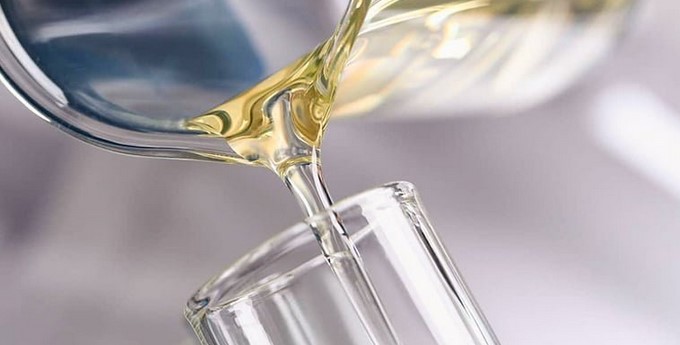
Mineral Spirits: This is a highly refined, clear petroleum distillate. It has a moderate, controlled evaporation rate and a much milder odor. It is perfectly balanced—strong enough to dissolve heavy greases, waxes, and varnishes, yet gentle enough not to warp wood fibers or degrade metal structures during a mineral spirits clean.
The Solvent Matrix: How Mineral Spirits Work Without Damaging Wood
Let’s use a simple analogy. Imagine your wooden tabletop is a giant, stiff kitchen sponge, and the deep pores are filled with old, hardened furniture wax. If you scrape the surface, you only remove the top layer of wax.
When you apply a mineral spirits clean, the liquid acts like a liquid magnet. It penetrates deep into those microscopic pores, breaking down the chemical bonds of the stubborn wax and liquefying it.
Because mineral spirits are 100% organic and free of water, they do not cause grain raising. If you use water to clean bare wood, the wood cells absorb the moisture and swell, forcing you to re-sand the entire project. Mineral spirits dissolve the oils, suspend the contaminants in the liquid, and then evaporate completely, leaving the wood grain perfectly flat, dry, and chemically pure.
Step-by-Step Protocol for a Flawless Mineral Spirits Clean
Achieving industrial cleansing standards isn’t just about splashing the chemical onto a rag. You need to follow a precise physical technique to ensure you are actually removing the dirt rather than just moving it around.
1. The Two-Rag System
This is the golden rule of professional surface preparation. Never use just one cloth.
-
Rag 1 (The Wet Dissolver): Saturate a clean, lint-free microfiber or cotton cloth with your mineral spirits. Wipe the surface firmly, working with the direction of the wood grain. This breaks up and liquefies the oils.
-
Rag 2 (The Dry Lifter): Immediately follow behind with a completely dry, clean cloth to wipe away the liquid solvent before it has a chance to evaporate. If you let the solvent air-dry on its own without wiping, the dissolved oils will simply settle right back down into the pores.
2. The Flash-Off Phase
Once you have finished wiping down the substrate, give the surface a flash-off period of roughly 15 to 20 minutes. This allows any residual solvent trapped deep inside the wood pores to completely evaporate into the air. You will know it is fully dry when the wood returns to its natural, uniform matte appearance and no longer feels cool to the touch.
| Metric / Feature | Low-Grade Paint Thinner | Premium Mineral Spirits |
| Refinement Level | Low (High impurities) | High (Highly distilled) |
| Odor Level | Harsh, pungent | Mild to odorless varieties available |
| Residue Left Behind | Potential oily film | Zero residue upon full evaporation |
| Best Application | General brush cleaning | High-purity surface prep & thinning |
💡 Pro Tip: The “Water Bead” Quality Check
Want to verify if your surface is truly pure before applying an expensive finish? Mist a tiny drop of clean water onto an inconspicuous area of your prepped surface. If the water flattens out and breaks the surface tension smoothly, your mineral spirits clean was a success. If the water instantly beads up into a tight droplet, you still have stubborn wax or silicone oils present and need to run through the cleaning process one more time.
The Spontaneous Combustion Hazard
I would be doing you a massive disservice if I didn’t mention the hidden, highly dangerous trap of working with organic solvents: spontaneous combustion.
When mineral spirits evaporate off an oily rag, the chemical reaction releases a small amount of heat. If you bunch up a collection of wet rags into a tight ball and toss them into a plastic trash can, that heat gets trapped. Over several hours, the internal temperature can rise to the point where the rags will spontaneously burst into flames without a single external spark.
The Safety Fix: Always lay your used rags completely flat on a concrete floor or hang them over a metal railing outside to dry completely before throwing them away. Once the solvent has fully evaporated and the rag is bone-dry and stiff, it is completely safe for the regular trash.
Conclusion: Elevating Your Craftsmanship
Taking your home improvement projects from a “DIY look” to a professional, showroom-quality finish comes down to respecting the prep work. Incorporating a meticulous mineral spirits clean into your workflow removes the guesswork, protects your coatings from failing, and ensures your stains and clear coats bond beautifully to the surface.
Now, I want to hear from you. Have you ever experienced a mystery paint failure or a bumpy varnish job that drove you crazy? What project are you working on right now that could use a professional cleansing upgrade? Let’s troubleshoot together down in the comments below!